A natural, biodegradable plant and soil system that raises yields 20–40% over standard fertilizer programs. Proven in twelve years of replicated trials on corn, soybeans, vegetables, turf and ornamentals.
1 qtper acre, with the fertility program already in use
45 + 3state registrations approved, 3 completing Dec 2026
GRASlisted ingredients, no mammalian toxicity
Scroll to see how it works
The root zone
Every season is decided below the surface.
In the first days after planting, the seed has one job: build the root system that will feed the plant for the rest of its life. That is where HGB goes to work.
Mode 1Energize the root
Give the seed its start.
Press and hold to energize the seed
Mode 1Energize the root
Faster germination. A far larger root system.
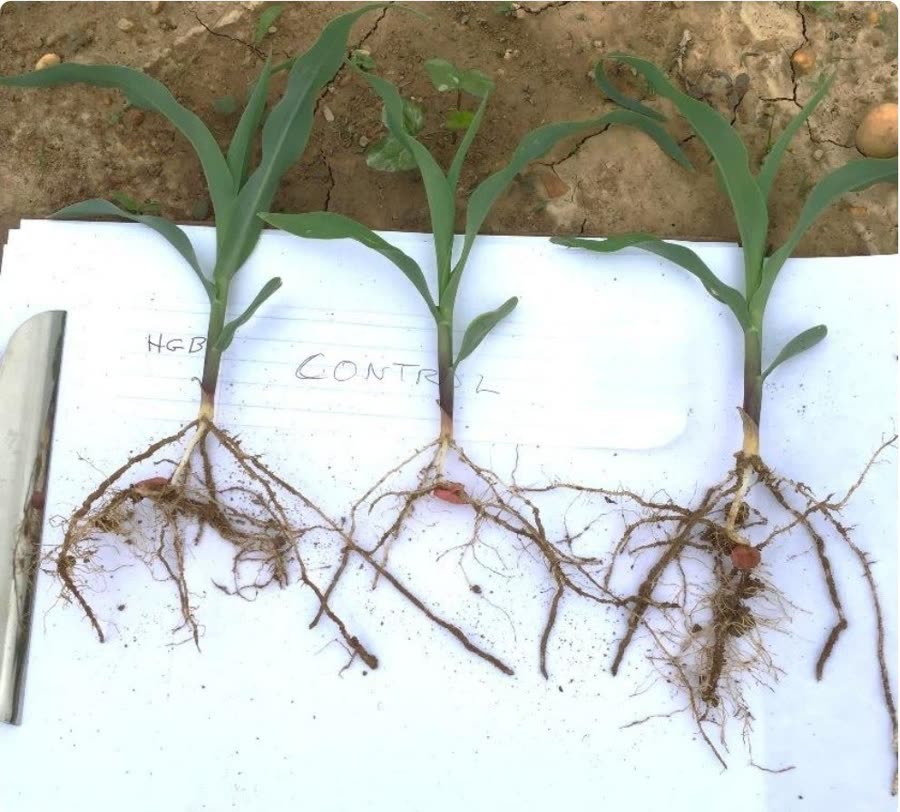
HGB raises the seed's energy of activation, speeding cell division and root development. In the 2025 corn and soybean trial, HGB-treated plants scored 101 on root composite. The best competing biological category scored 62.
Mode 2Move the nutrients
More of the fertilizer ends up in the crop.
A larger, more active root system draws more from what is already in the soil. Thirty days after treatment, HGB plants had taken up:
+70%Nitrogen
+45%Phosphorus
+39%Potassium
Mode 3Bolster the plant
A stronger plant, filled to the tip.
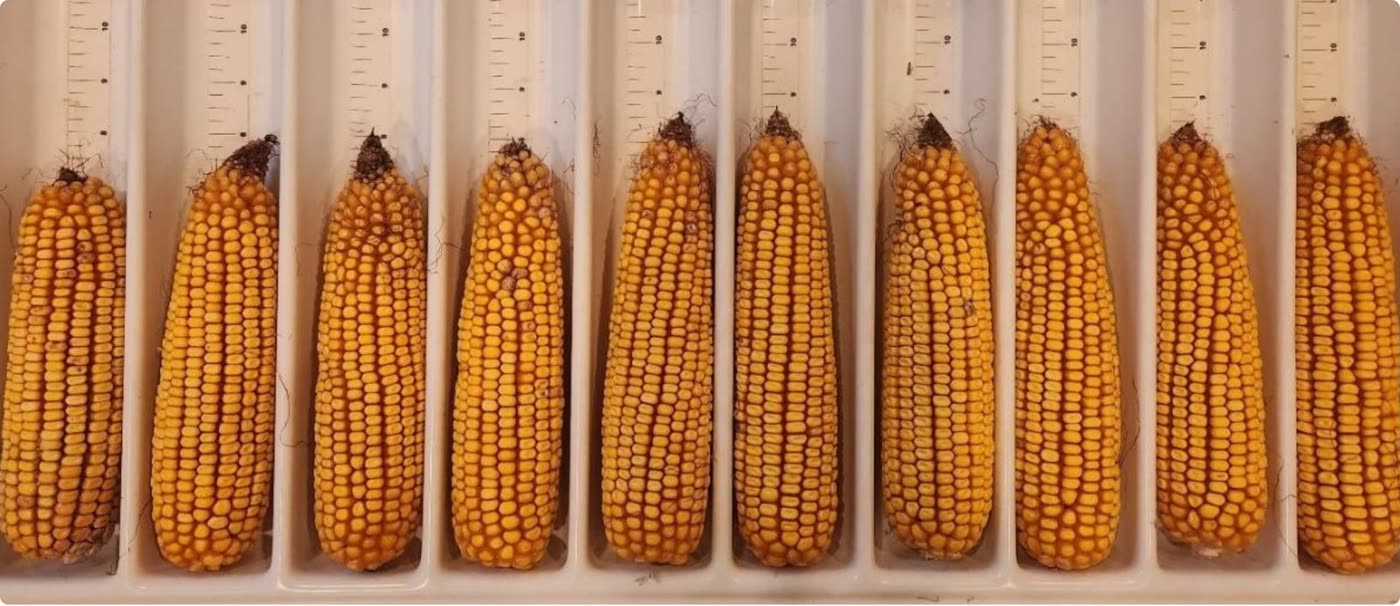
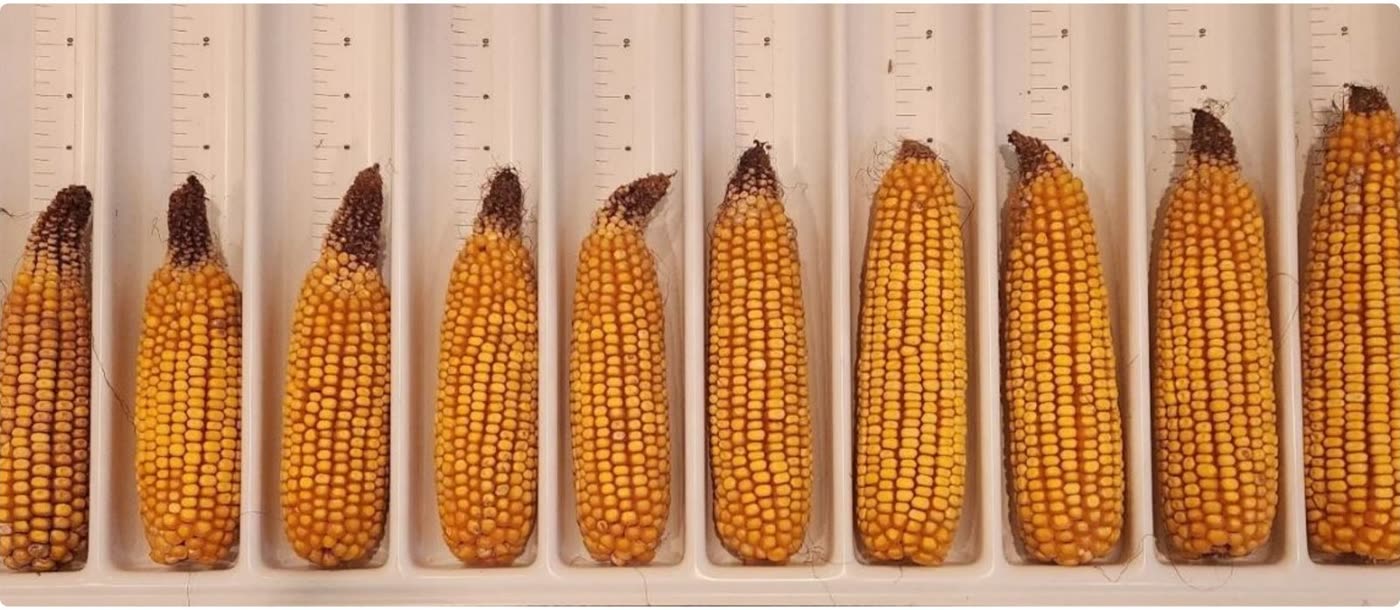
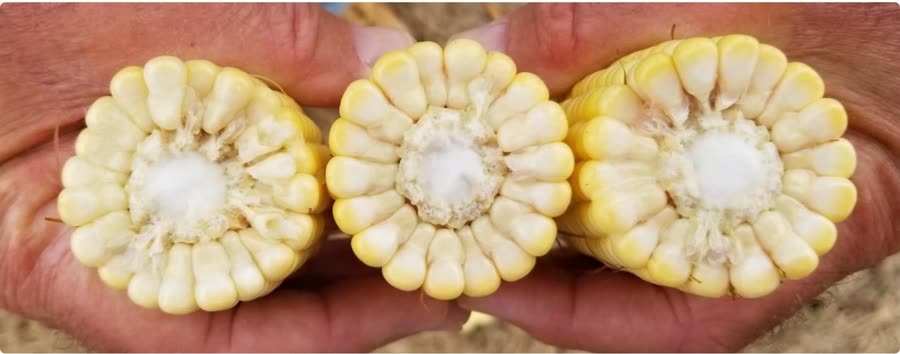
Improved nitrogen fixation and sugar production build a nutrient-dense plant. In trials, control ears showed tip die-back from a lack of plant sugar. HGB ears filled to the tip, 7 to 7¼ inches around against the control's 6.
A plant and soil system that makes the fertilizer a farmer already buys work harder.
The HGB System (Hy-Gro Biologics) is applied at one quart per acre alongside existing fertility programs, as a seed treatment, in-furrow, 2×2, foliar, or side-dress. It was developed through biology, chemistry and mathematical modeling. The formulation is a trade secret.
Natural and biodegradable. Every ingredient is on approved GRAS and SCOGS lists.
No mammalian toxicity. Safe for applicators, livestock and consumers.
Longer shelf life. Stays effective in storage, unlike live bacterial, fungal, biostimulant and enzyme products.
Regenerative. Improves soil organic carbon and soil health while raising yields.
The triple mode of action
One system, working through the whole life of the plant.
HGB raises the seed's energy of activation, stimulating cell division and the molecular mechanisms that drive early development. Roots germinate faster and spread wider.
101 vs 62Root composite score, HGB against the best competing biological category (2025 corn + soybean trial)
A more active root zone increases respiration, nutrient uptake and translocation. Natural and added beneficial soil biology rises with it, so N, P and K are used more efficiently.
+70% N · +45% P · +39% KNutrient utilization at 30 days, HGB against untreated control (lbs/acre)
Improved nitrogen fixation and sugar production build a nutrient-dense, stronger plant that holds up under drought, heat and excess rain, and carries its grain to full fill.
20–40%Higher yields across corn, soybeans, vegetables, turf and ornamentals
Model is illustrative. It shows what happens in the plant, not what is in the formulation.
Drag to rotate
The evidence
Tested against every category of biological product on the market.
2025 corn and soybean root germination trial. Averages of both crops.
% yield increase over a fertilizer-only control. Grass/turf HGB result 40–45% (plotted at 42.5). Source: Exhibit 2.
Nutrient utilization at 30 days
Soil and plant N, P, K utilization in lbs/acre: control, a Category 1 product, and HGB. Source: Exhibit 3.
0% corn yield 191–215 → 250–280 bu/ac, no added nitrogen
0% soybean yield 81 → 99 bu/ac
0% tomato yield 19 → 26 lbs per plant
0% turf and ornamental growth 40–45% grass/turf
See it in the field
ControlHGB foliar
Corn ears. Control shows tip die-back from lack of plant sugar. HGB foliar application after kernel set filled the tips with grain.
ControlHGB
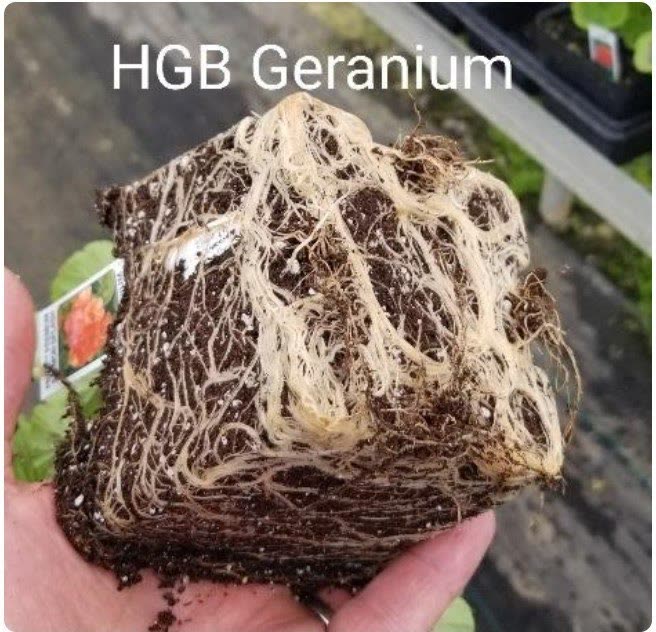
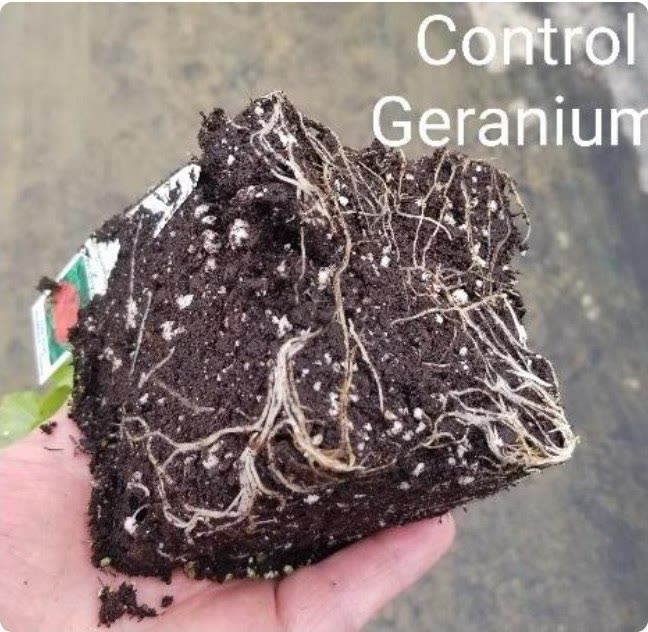
Geranium root balls. In field and nursery trials, customers chose and purchased the HGB-treated plants over standard fertilizer controls.
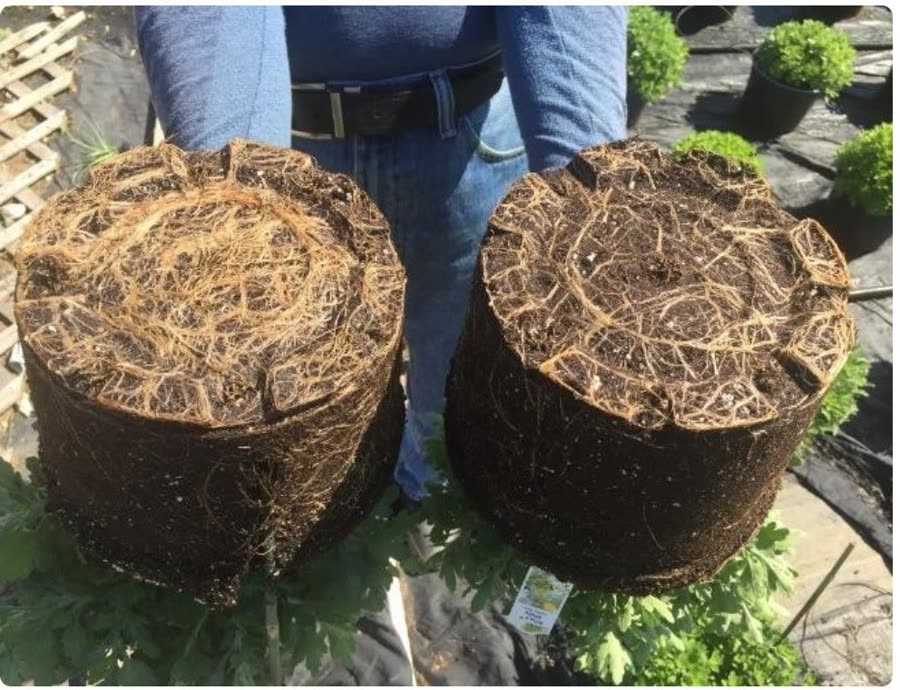
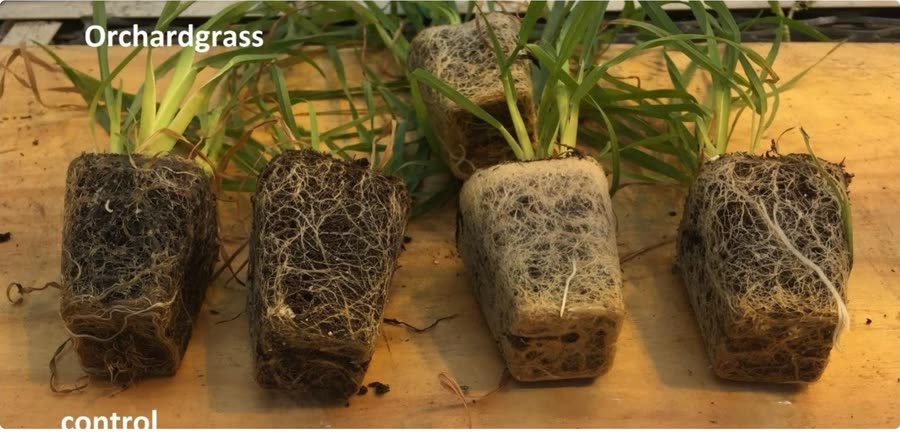
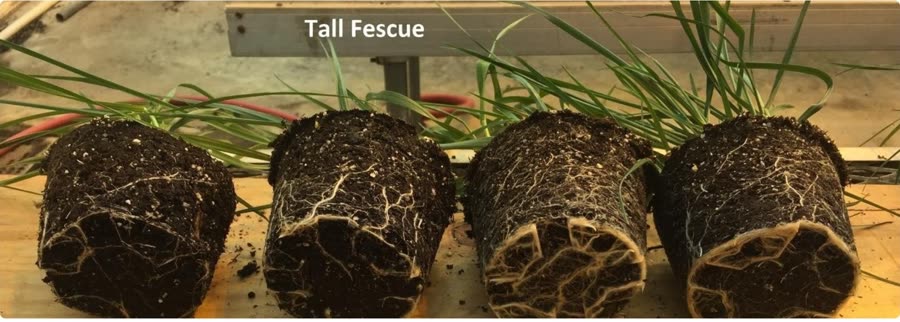
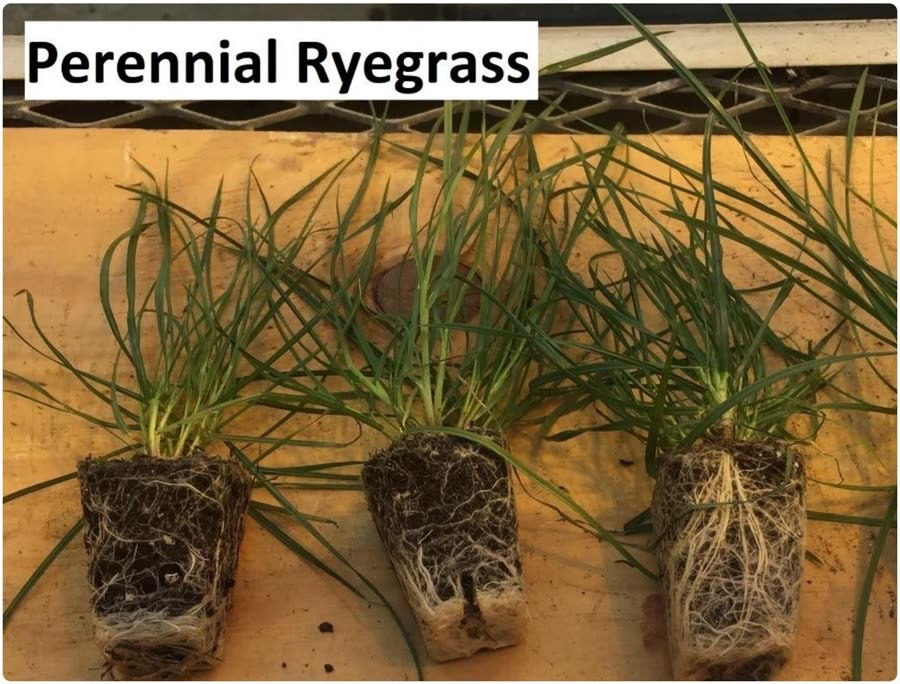
Mode 1, corn. HGB left and right, control center. Larger, darker leaves and a markedly advanced radicle root.Modes 2 and 3, corn. Control 6″, HGB foliar 7″, HGB in-furrow 7¼″ circumference. Deeper kernels, denser grain, better storability.Ornamentals. Mum root systems in field production. Stronger roots, improved respiration and nutrient translocation.Orchardgrass. Control, then HGB seed, seed + soil, and soil treatments. Accelerated root germination.Tall fescue. Higher yields and increased beneficial bacterial activity in soil and plant.Perennial ryegrass. Control left, HGB seed-treated center, HGB seed + soil right.
How results were measured
Randomized, replicated trials across multiple years, in fertilized and sterile soils, stand-alone and blended. Verified by agricultural university professors, certified crop advisors, independent laboratories and growers.
HGB measurably improves N, P and K efficiency, so more of what is applied is used by the crop.
Soil health
Raises soil organic carbon and supports beneficial soil biology. A regenerative agricultural system.
Resilience
In trials through drought, excessive rain, hail and 75 mph winds, HGB-treated corn and soybeans out-yielded untreated crops at every site.
Safety
Natural, biodegradable, GRAS/SCOGS-listed ingredients with no mammalian toxicity.
The corn math
Corn costs $500–750 an acre to grow, $250–350 of it in fertilizer. Adding HGB at one quart per acre costs about $21, and in trials returned about 30% more yield, more than 50 additional bushels per acre, from the same fertility program.
$21HGB per acre
+50 buadditional corn per acre
~30%above farm averages
In their own words
Hear it from the people who ran the trials.
The scientists, crop advisors and growers behind twelve years of HGB testing, on camera and in the field.
From the field
“I spent 30 years testing new products as an Extension Agronomy Specialist. All failed to show any significant benefit except HGB products.”
Dr. Richard W. Taylor, Product Evaluation Leader; University of Delaware, 1985–2016
“HGB products gave 20 to 40% higher yields than any other product I've observed. As soon as they are commercially available, I will recommend them to all my growers.”
John Anson, Certified Crop Advisor
“A number of these sites experienced severe weather: drought, excessive rain, tornadic winds up to 75 mph, damaging hail. In each case, the HGB-treated crops produced yields above those of the untreated crops.”
Retired Extension Agronomist, University of Delaware
“We had a drought that held back the control from tasseling, while the corn treated with HGB tasseled regardless. HGB kept the corn on schedule.”
Pennsylvania grain farmer
“I could see the difference in my soybeans within a week of application, from my pickup truck. Even neighbors noticed.”
New Jersey corn, soybean and wheat farmer
The team
Over 20,000 hours of university and field research.
Thomas Orton, PhD
Research Leader
Professor of Plant Biology, Rutgers University (1995–present)
Academic Chairman and Associate Director, Rutgers Cooperative Extension
Director of Strategic Planning and Operations, DNA Plant Technology Corp., sponsored by E.I. DuPont (1985–1994)
Group Leader, Agrigenetics Corp./Applied Genetics Lab (1982–1985)
BS, MS, PhD, Michigan State University
Richard W. Taylor, PhD
Product Evaluation Leader
Extension Agronomy Specialist and Instructor, University of Delaware (1985–2016): Soil Fertility and Plant Nutrition, Forage Resource Management, Turfgrass Management
Assistant, then Associate Professor of Agronomy, LSU Rice Research Station (1980–1985)
Certified Crop Adviser, ICCA Program (1989–2016)
Superintendent, National FFA Agronomy CDE (2015–2018)
Jeff Sherman
Formulary Leader
Developed the HGB formulations with university plant biologists, chemists and growers in the field (2016–present)
Owner, Sher Can Grow, distribution and plant formulation (2016–present)
Developed 20 proprietary plant health products and 5 animal health products still in use today
Managed a European plant fertility and specialty products manufacturer (2000–2004)
AC
Andrew B. “Drew” Chase
Chief Executive Officer
Former Officer and Board member, ICI international specialty chemicals (now AstraZeneca): strategic planning, M&A and corporate development
DuPont central research, development department and Chestnut Run labs, Wilmington, DE
Villanova University, Drexel University, Temple University
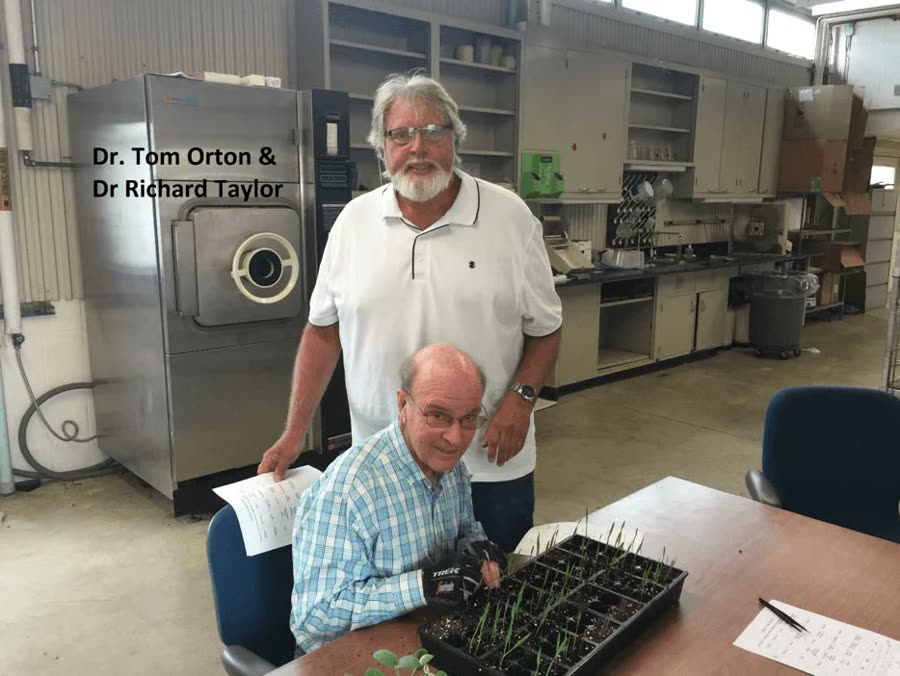
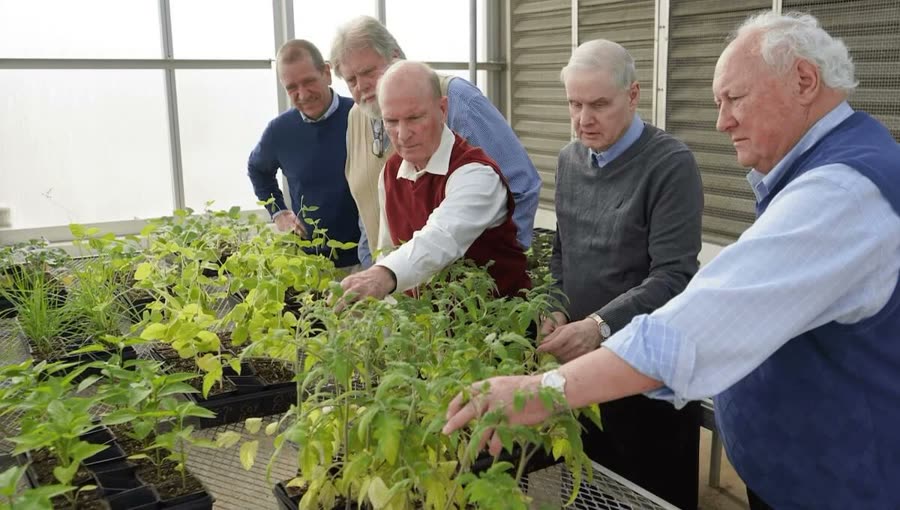
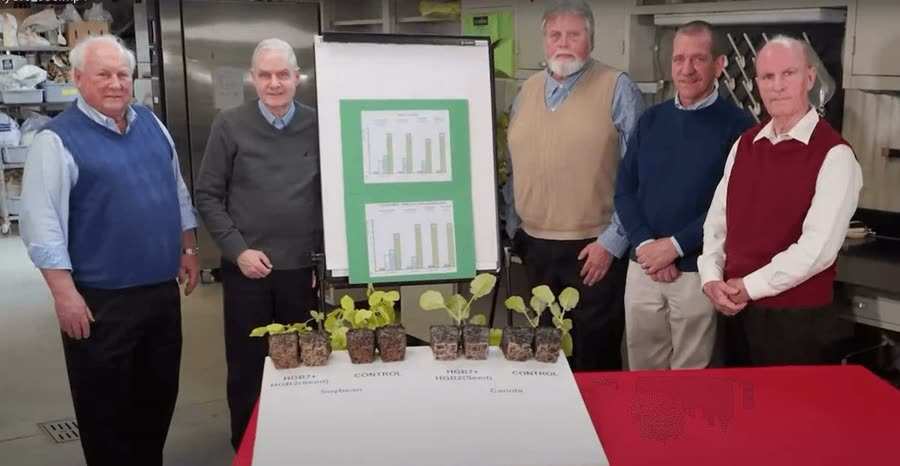
Dr. Tom Orton and Dr. Richard Taylor in the lab.Greenhouse trial review.The team with root development results.
Backgrounds of key team members
University plant biologist, Rutgers
Agronomist, University of Delaware / international plant certifier
Ag distributor and formulator: 5 dairy health and 20 plant health products
Former strategic planner, M&A, international specialty chemicals
Biologist/chemist, industrial R&D
Nursery, field and crop consultant, ag marketing
Procurement manager
Financial analyst / statistician
Next step
See the full data. Walk the trial fields.
We will share complete research, laboratory and field documentation, provide samples for independent confirmation, and host your agronomists at our trial sites.